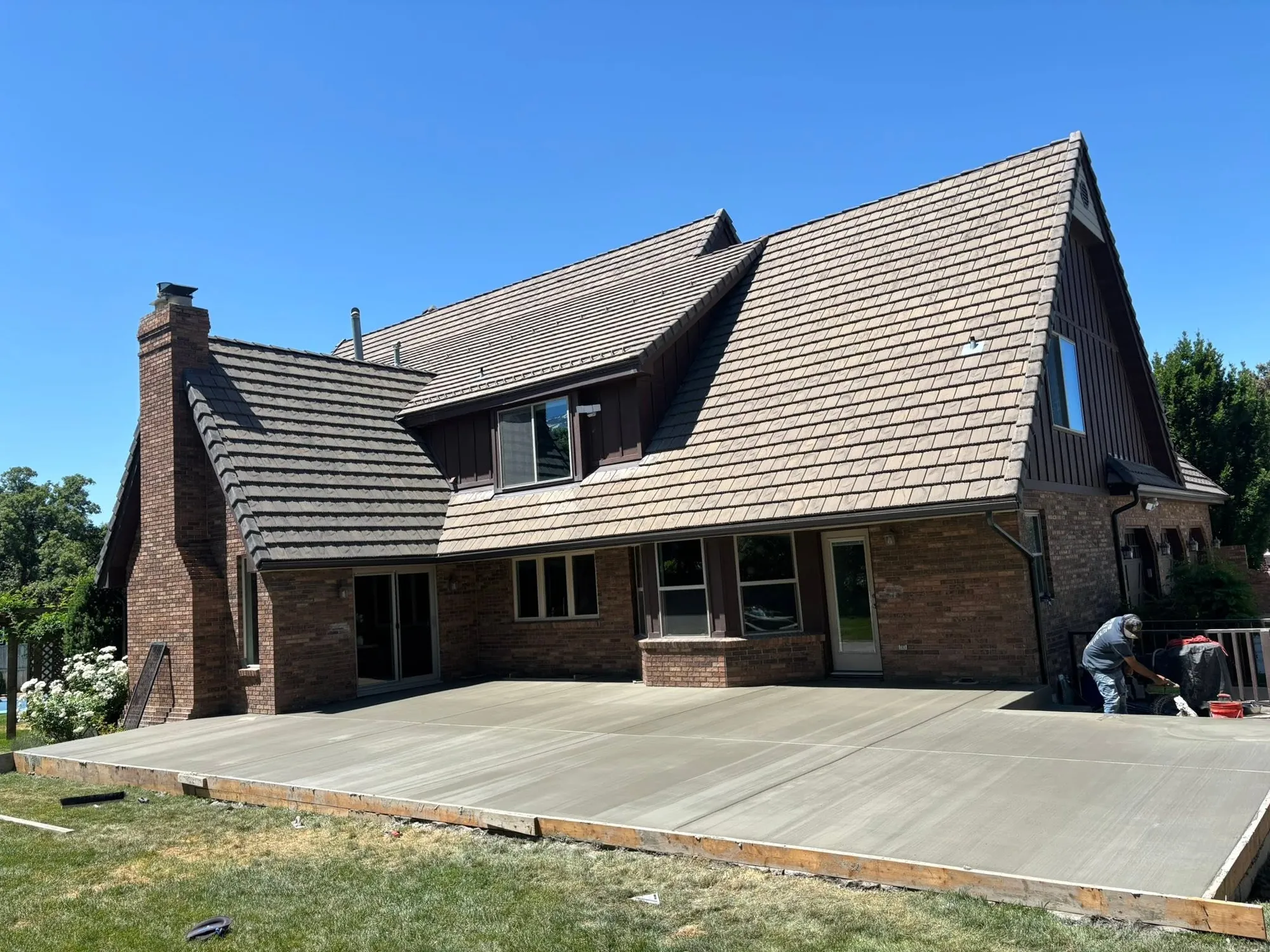
Why late October is the time to look at your concrete
Winter along the Wasatch Front is hard on anything made of concrete. Cold nights, snow, melting days and refreezing mornings all put stress on slabs, steps and walkways. Water gets into small cracks and low spots, freezes, expands and makes the damage a little bigger every time. The best moment to deal with it is now, while the ground is still workable and the days are still dry enough to see what is really going on.
At NENC Concrete Solutions we work with Salt Lake City homeowners on new and replacement concrete, so we know how much easier a problem is to plan for in the fall than to fix in a storm. A few minutes of walking your property can tell you a lot.
What to check on your driveway
Start at the street and walk the full length of your concrete driveway. You are looking for a handful of simple things:
- Cracks. Hairline cracks are common in concrete, but wide, uneven or growing cracks deserve attention before snow and ice get into them.
- Standing water. After a rain, look for puddles that sit on the surface. Water that does not drain off is the water that freezes on the slab overnight.
- Flaking or rough patches. A surface that is crumbling or peeling has already lost some of its protection.
- Sunken or lifted sections. A slab that has shifted can leave a lip that catches shovels, snowplows and feet.
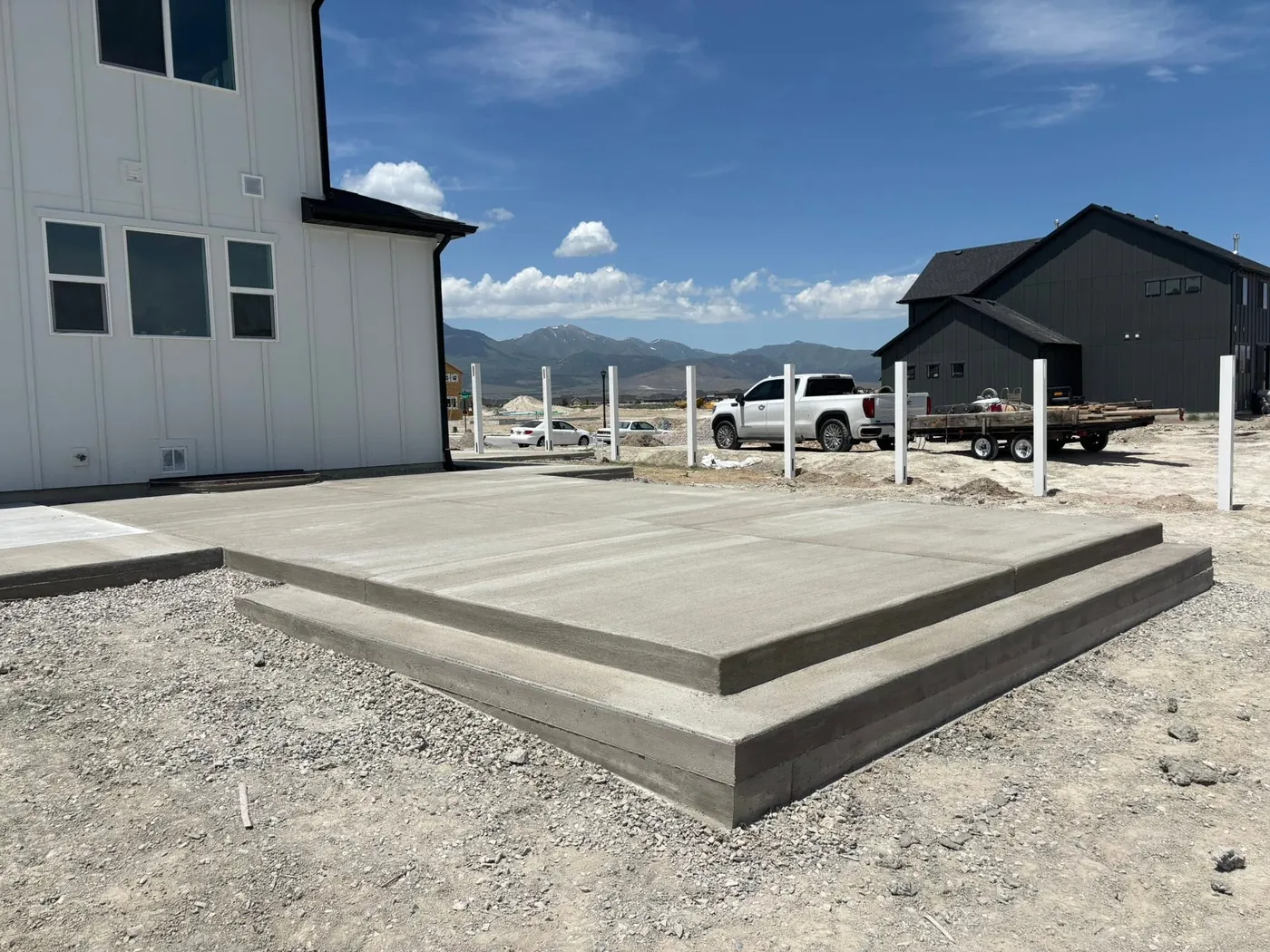
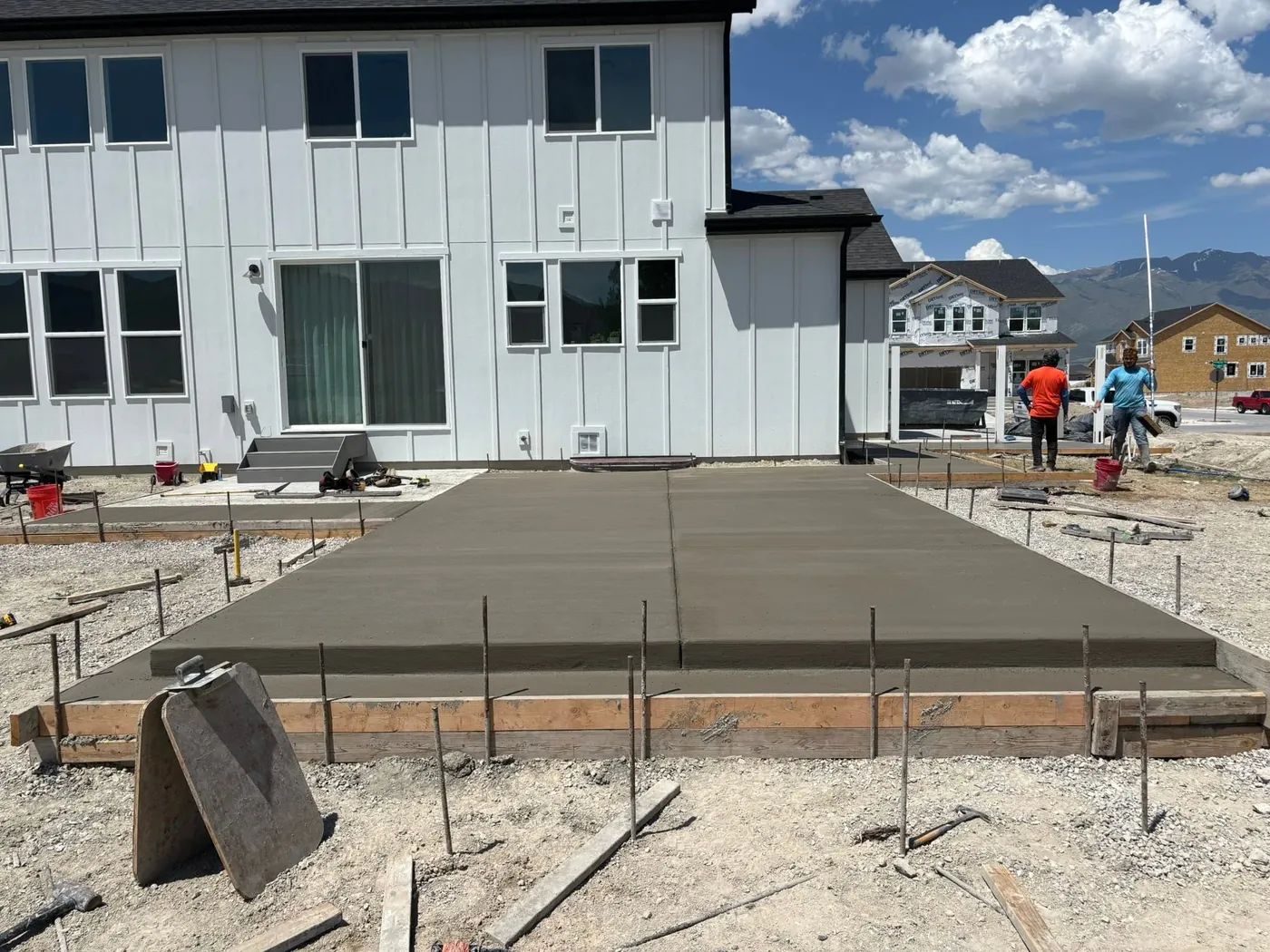
Our crew builds driveways by setting the grade, building the forms and placing the concrete so the surface drains. When we look at an older driveway, the same things are what we are checking for: how the water moves, and where it collects.
Sidewalks, walkways and steps
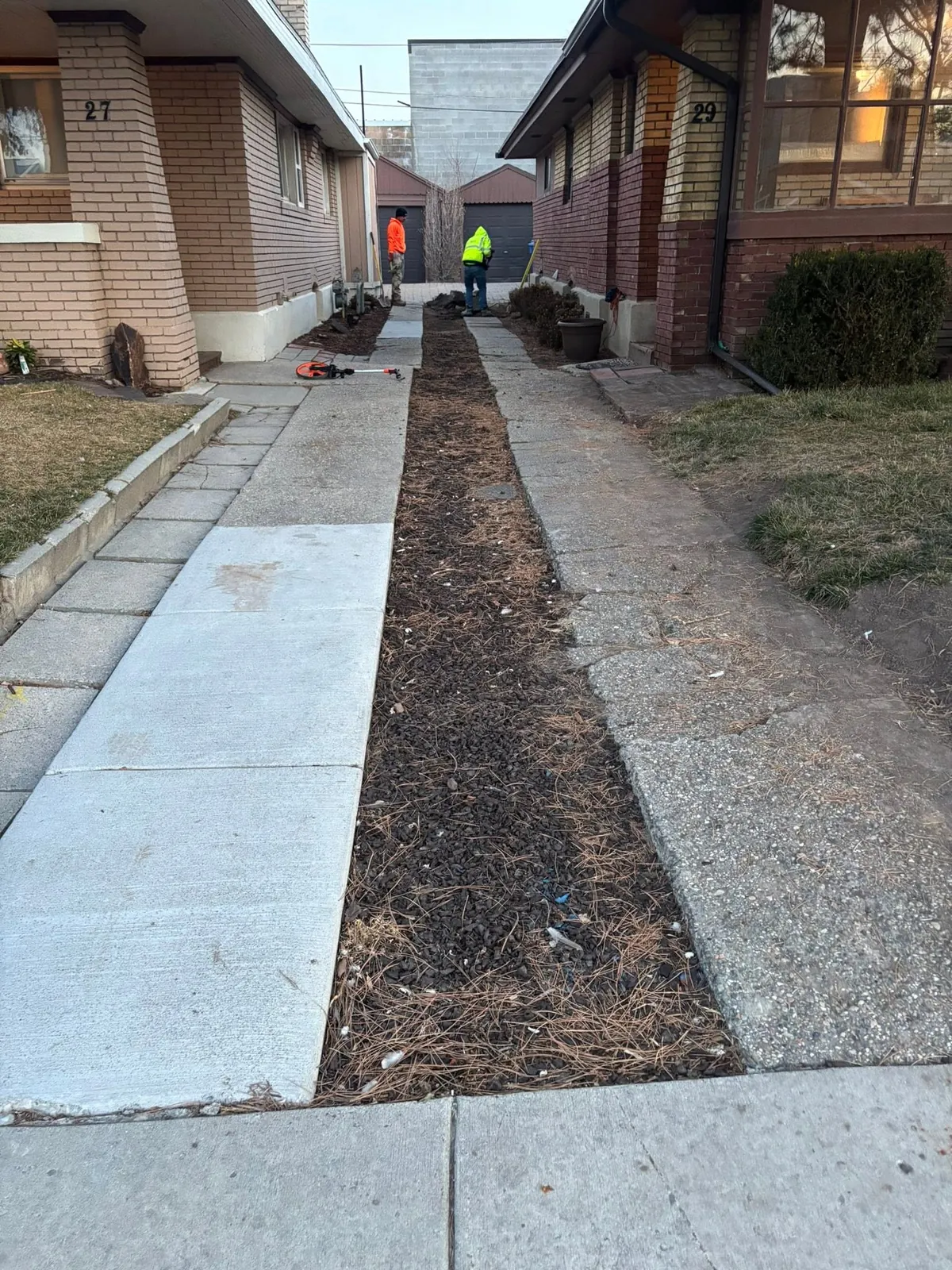
The places people actually walk matter most in winter. Take a look at your sidewalks and walkways for raised edges that could cause a trip, especially where a sidewalk meets a driveway or a porch. Then check your concrete stairs. Steps should be even, solid and free of broken corners, because ice turns a small defect into a real hazard. If a step has chipped edges or a section that feels loose, it is worth having it looked at before the first hard freeze rather than after.
Small things you can do yourself
Not every concern calls for a contractor. A few habits help concrete get through the cold season:
- Clear leaves and debris so water can run off the surface instead of sitting under wet piles.
- Point downspouts and sprinklers away from slabs so they are not soaking the edges.
- Shovel snow before it packs down into ice, and use a plastic shovel where you can to avoid scraping the surface.
- Go easy on de-icing products. Many are harsh on concrete, especially on a surface that is already worn, so read the label and use only what you need.
When it is time to call a crew
Some problems are bigger than a weekend cleanup. If a slab has settled, if cracks are widening, or if the driveway no longer drains the way it should, it may be time to talk about replacement rather than patching. Concrete work also depends on weather, so the sooner you reach out, the more options there are for timing. The earlier you start the conversation, the more time we have to talk through the size, the finish and the schedule with you before the weather changes.
We serve homes in Salt Lake City and the surrounding cities, and you can see the kind of concrete our team does on our work page.
Plan ahead for spring too
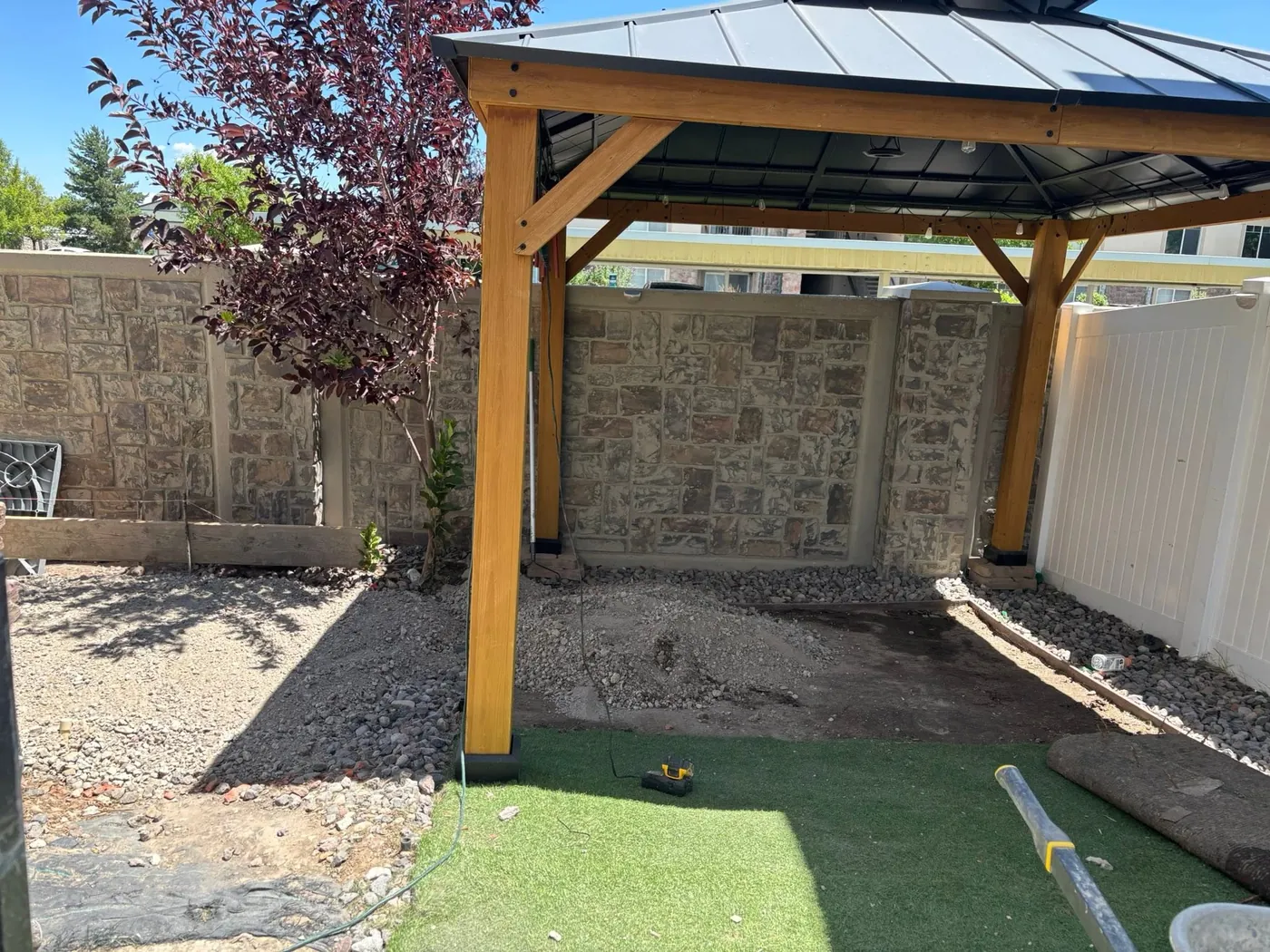
If you find something that cannot be fixed before winter, a note about it now is still useful. Writing down what you saw and taking a few photos lets us talk through it quickly when you call, and it gives you a clear starting point for planning a project once the weather opens up again. Projects such as a new patio or a retaining wall are also easier to plan in the colder months, so you are ready when the ground thaws.
Whatever you find on your walk around the property, we are happy to talk it through. Send us a message or call (385) 495-9692 and tell us what you would like built or replaced and where it will go.